
AI won't replace great visitor experiences, but it will change HOW we create them.
It's difficult to open a newspaper, attend a conference or scroll through LinkedIn without seeing another headline about Artificial Intelligence.
Will it replace jobs? Will it transform tourism? Should we be worried?
These were some of the questions Natasha Syed and I recently explored with Shaon Talukder, founder of GeoTourist and author of Technology-Led Tourism, during a Talking Tourism webinar hosted by The Tourism Society.
What struck us most wasn't the technology itself, it was what the conversation revealed about people.
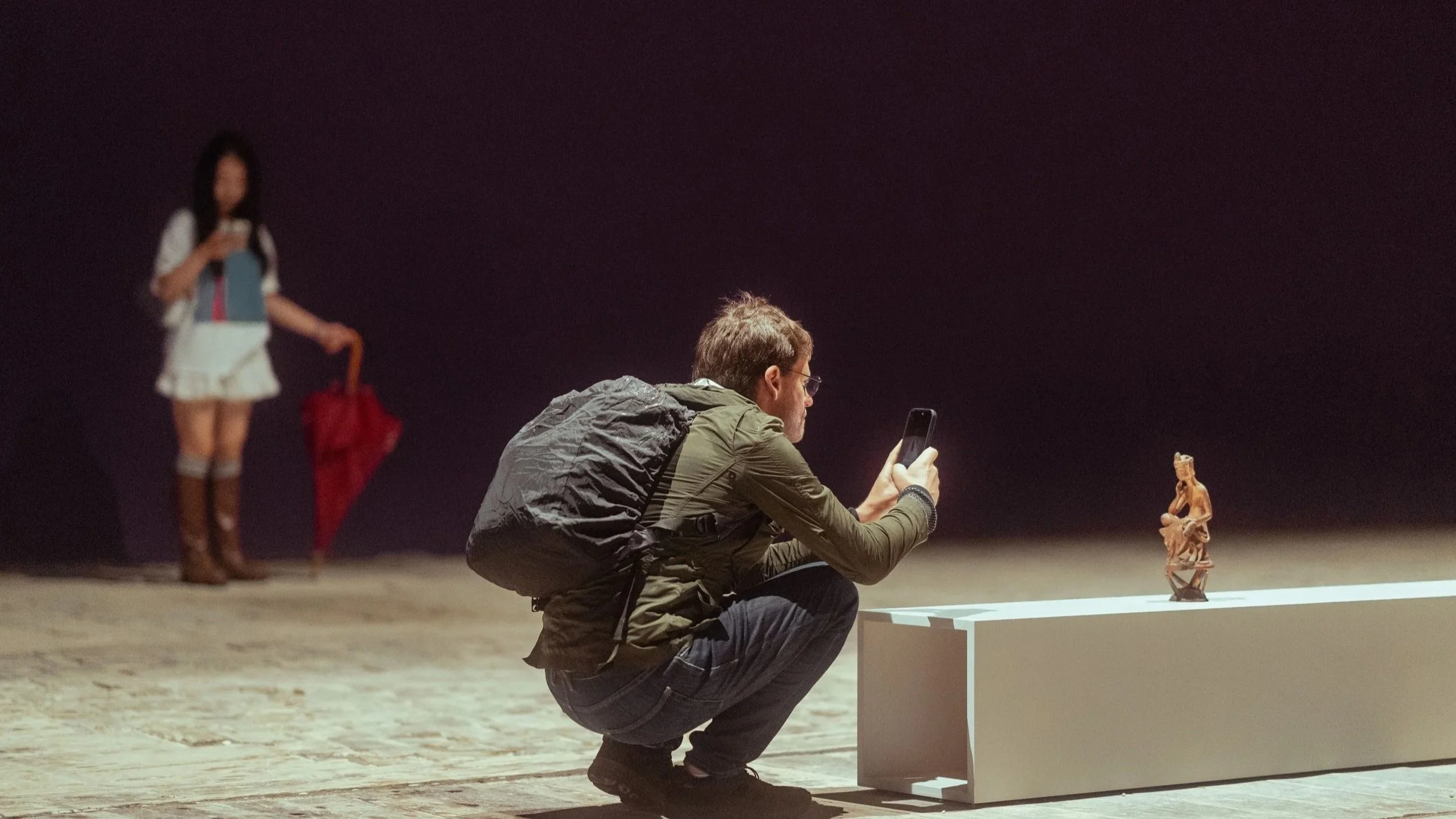
Tourism has always been about people
While AI will undoubtedly automate many administrative and technical tasks, tourism is, and will remain, fundamentally a human-to-human business. People travel to discover places, connect with cultures, hear stories and learn something about themselves along the way. And technology can definitely support those experiences, but it can't replace them.
As someone who has spent much of my career thinking about visitor experience, that felt both reassuring and important. If our sector focuses on what humans do best, creating meaningful experiences, then technology becomes an enabler rather than a threat.
Better decisions start with better understanding
One of the most fascinating parts of the discussion centred on data: GeoTourist began life as a storytelling platform, but by understanding which stories encouraged people to travel and where visitors actually engaged, it evolved into something much more powerful: a way of understanding behaviour.
That's where I think many organisations should be focusing their attention. Not on adopting AI because everyone else is, but on understanding visitors better.
Every attraction already generates valuable information, through ticketing, retail, catering, website analytics, customer feedback and observation. The challenge is bringing those pieces together to make better decisions.
Technology can help us do that more quickly and more intelligently.
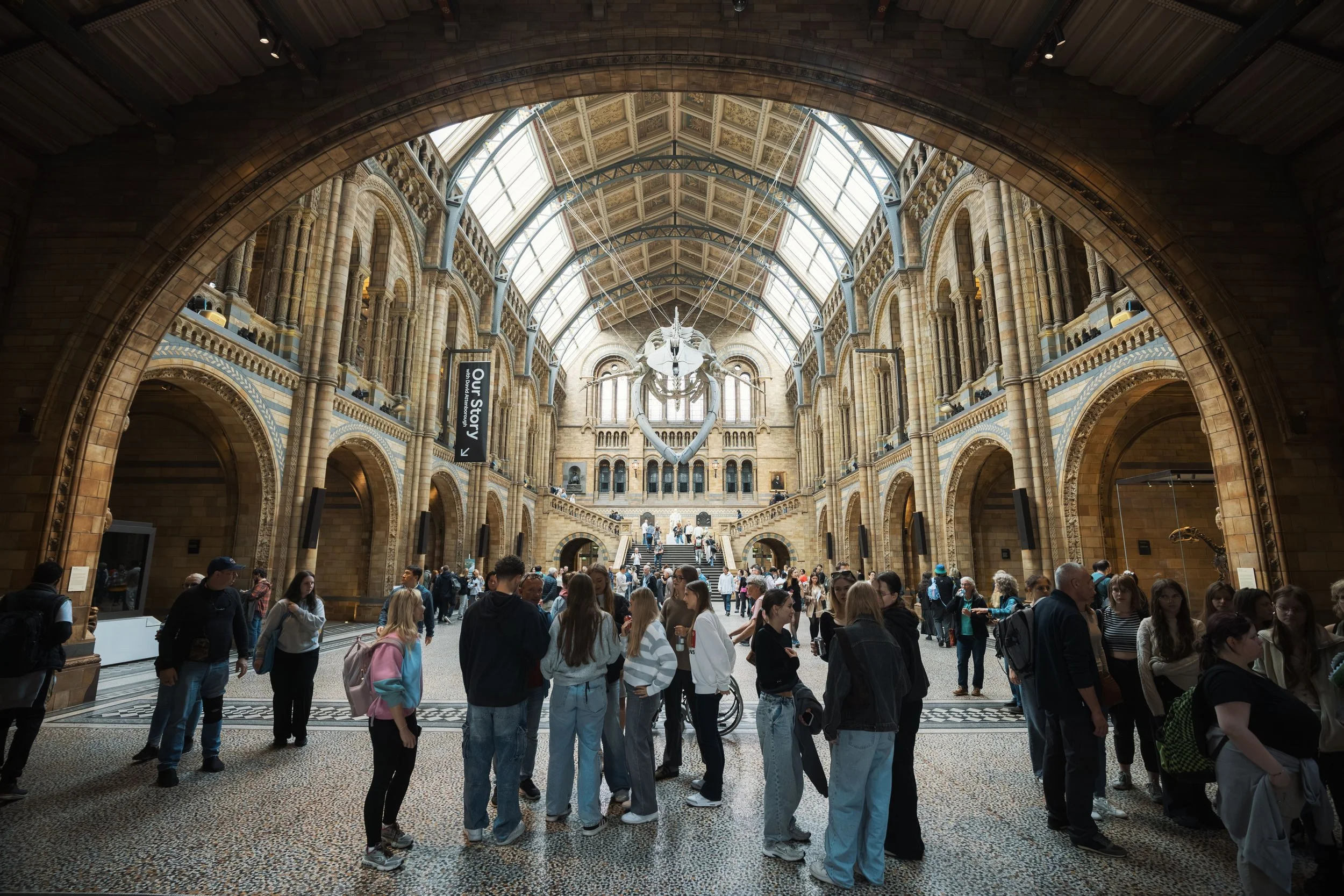
Authenticity becomes even more valuable
Another theme that emerged was authenticity. If AI becomes increasingly responsible for recommending places to visit, organisations will need to become much clearer about what makes them distinctive.
For visitor attractions, that's good news. The strongest destinations already have compelling stories, remarkable places and passionate people. The challenge isn't inventing something new; it's communicating those strengths consistently across every stage of the visitor journey.
The future is still human
One comment from Shaon has stayed with me. His advice to students entering the tourism industry was simple: focus on the things AI can't replace.
Things like empathy, creativity, conversation, and storytelling. These are all qualities that have always mattered in tourism, and I suspect they'll become even more valuable in the years ahead.
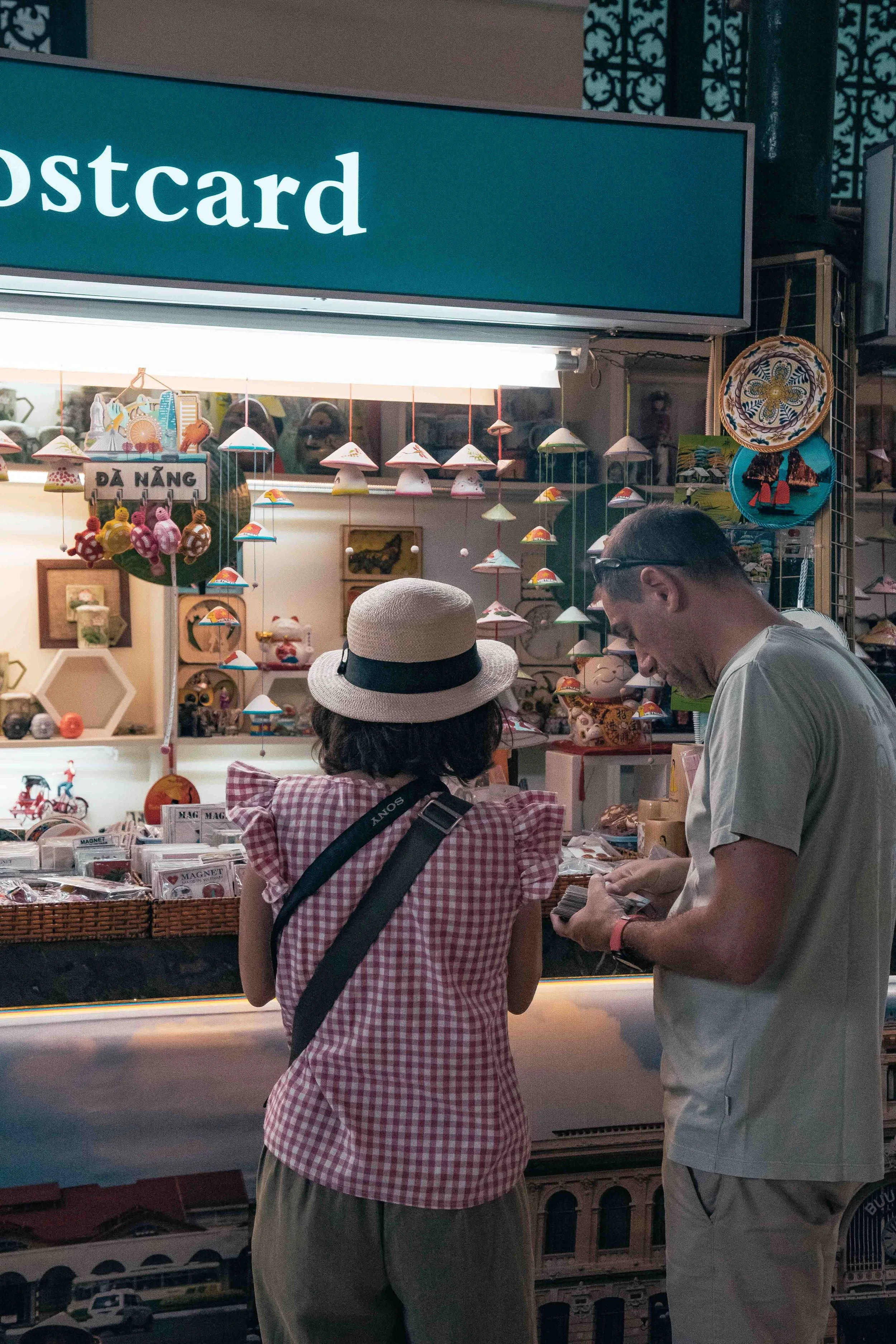
Designing for viability
Fundamentally, tourism is a business and the goal is to achieve viability with sustainability, and technology has a role to play in that future.
AI can help organisations become more efficient, understand visitors better and make more informed decisions. But lasting viability won't come from technology alone, it will come from combining good data with great judgement.
Ultimately, AI will strengthen human experiences, not replace them, because visitors rarely remember the algorithm that recommended a place. They remember how that place - and very likely the people in it - made them feel.
Technology-Led Tourism by Shaon Talukder is a practical guide for managers, department heads and industry professionals who want to develop credible strategies for applying AI across the travel sector. It bridges the gap between technology and tourism, offering frameworks you can implement to enhance both operational efficiency and guest engagement. It will be published by Kogan Page on 3rd December.
Be sure to visit The Tourism Society for all upcoming Talking Tourism events.