
From brand promise to visitor reality: why your visitor experience team needs a Charter
Most visitor attractions have a mission, a set of values and probably a fairly clear idea of the experience they want people to have. But if you asked 10 people from different parts of your organisation what you actually want a visitor to feel, experience and remember, would you get the same answer?
That’s where a Visitor Experience Charter can be incredibly useful.
At The Ambience Associates, we talk a lot about the gap that can appear between organisational vision and visitor reality. It’s rarely because people don’t care about the experience, quite the opposite is true. Attractions invest huge amounts of time, expertise and money in getting it right, but the difficulty is that the experience itself is ultimately made up of hundreds of individual moments, delivered by different people, in different places, often across completely different teams.
It might be the welcome somebody receives when they arrive, the way a member of the team answers a question, what happens when something goes wrong, how comfortable a space feels or simply whether somebody acknowledges a visitor as they leave.
None of those things sounds particularly transformational on its own, but collectively they’re what visitors experience and remember.

The Blenheim Palace Guest Charter
So what exactly is a Visitor Experience Charter, and why does it matter?
Put simply, a Charter is a practical framework that defines the experience an organisation wants visitors to have and the behaviours, standards and shared principles that help teams deliver it consistently. A Charter creates a shared understanding of the experience an organisation wants to deliver and turns that ambition into something teams can actually use in their day to day.
It can bring together the organisation’s mission, vision and values with its approach to service, quality and, importantly, the behaviours that bring all of that to life.
Just like strategy docs, we don’t think the best Charters are written in a meeting room by senior management and then handed to visitor-facing teams with an instruction to follow them. They should be created with the people who actually deliver the experience, because they know where things work brilliantly, where frustrations occur and where good intentions can sometimes come unstuck in the reality of a busy day.
That process gives organisations the chance to have some really useful conversations too. What do we actually want people to feel when they come here? What does a great welcome look like for us? How do we respond when something hasn’t gone to plan? What does being welcoming, generous, inspiring or inclusive actually mean in somebody’s day-to-day role?
Words such as ‘excellent’, ‘memorable’ and ‘welcoming’ appear in plenty of strategies. A Charter helps turn them into behaviours people can recognise and deliver.
Because visitors don’t experience departments
This is one of the ideas at the heart of our Ambience Architecture approach. Visitors don’t know, or frankly care, whether the person they’ve just spoken to works for Operations, Retail, Visitor Experience or somebody else entirely. They don’t separate the booking process from the welcome, the exhibition from the café, or the shop from the rest of their day.
They experience one journey, and that’s why consistency is so important.
You can create a brilliant core experience, but if somebody feels uncertain when they arrive, ignored when they need help or rather unceremoniously deposited into the car park at the end of it, those moments become part of the overall experience too.
Likewise, an organisation can describe itself as warm, welcoming or inclusive, but those words only really mean something when visitors actually feel them.
A good Charter gives everyone a common understanding of the experience they’re collectively trying to create, while still allowing people to bring their own personality to delivering it.
The conversations are often as valuable as the Charter
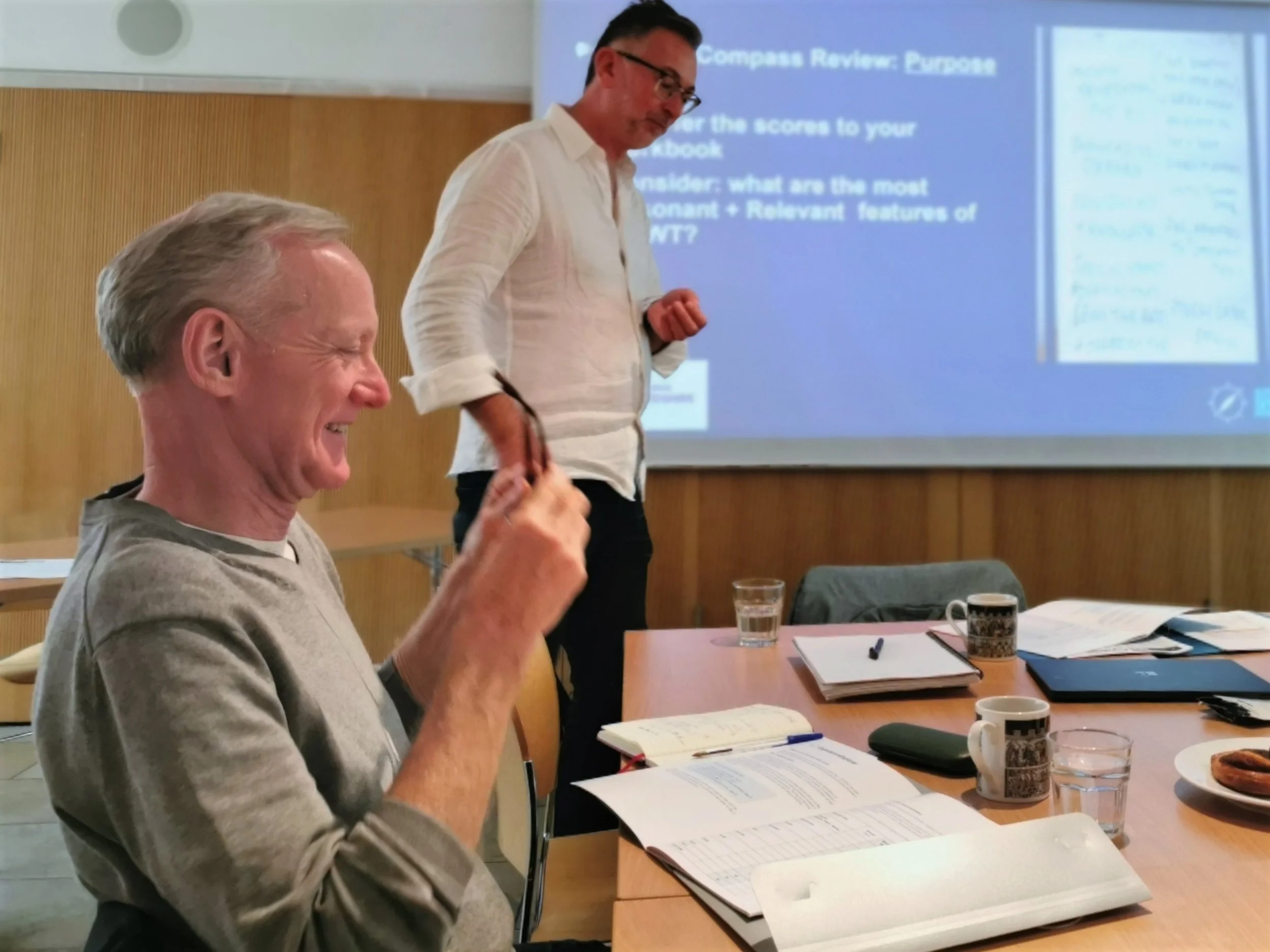
One of the things we’ve learned from developing Charters with organisations is that the finished document is only part of the value. Bringing colleagues together from across an attraction and asking them to look at the experience through a visitor’s eyes can reveal an enormous amount.
Where are the moments that really matter? Where are teams already creating something special without necessarily recognising it? Where does the experience become inconsistent? And are we giving people the confidence, information and permission they need to make good decisions for visitors when the unexpected happens?
Those conversations can be particularly powerful because they take visitor experience out of the hands of one department and make it something the whole organisation has a stake in.
Done well, a Charter isn’t simply a set of service standards, it becomes part of how an organisation thinks and behaves.
What this looked like at Blenheim Palace
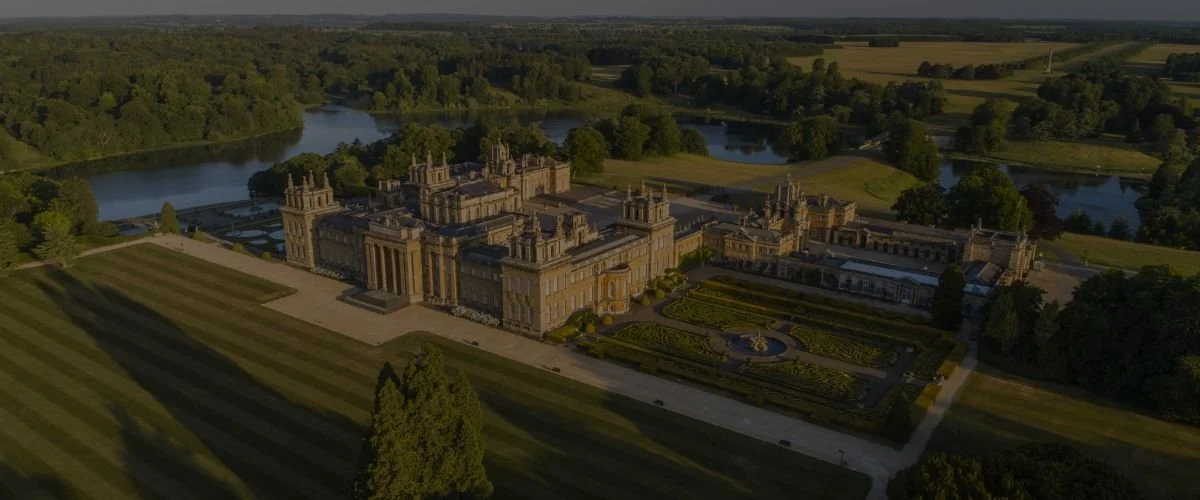
Our work with Blenheim Palace is a really good example of how you take the ideas from paper to becoming part of the practical day to day experience.
Following a VisitEngland quality assessment, we were initially brought in to help develop a more joined-up approach to managing the visitor experience. Rather than simply producing a document, the work involved extensive consultation with leaders, managers and employees to understand what the Blenheim experience should feel like and how that could be delivered consistently across the organisation.
From that came a new Guest Charter, supported by an induction workshop for visitor-facing employees. The Charter was later updated and extended across the wider Blenheim Palace Estate.
What mattered wasn’t simply having a new set of words. It was creating a shared view of the experience, giving people across different teams a common reference point and helping employees understand the part they personally played in bringing it to life.
That’s ultimately how a Charter earns its keep. Not by sitting on an intranet or appearing in an induction booklet, but by influencing what actually happens between people every day.
It has to feel like your organisation
There is, of course, no single formula for excellent visitor experience and we don’t think there should be.
A historic house shouldn’t feel like a science centre. A museum doesn’t need to behave like a theme park. And a small independent attraction certainly doesn’t need to borrow the service language of an international hotel chain.
Visitors should feel the personality of the place they’re visiting. So, the starting point for a Charter has to be the organisation itself: its purpose, its stories, its audiences, its people and the kind of relationship it wants to have with visitors.
From there, you can begin to define what that means in practice. If one of your values is generosity, what does generosity actually look like when somebody arrives five minutes before closing? If you want people to feel curious, how do your teams encourage questions and conversations? If you describe the experience as welcoming, what happens when somebody looks lost?
That’s when your values stop being something written on a wall and start becoming part of the visitor experience.
It’s not just for the visitor experience team
Marketing shapes expectations before somebody has even arrived. Ticketing influences their first transaction. Operations determines how smoothly the day works. Interpretation affects what they understand. Retail and catering influence what they remember and how much value they perceive. Leadership creates the culture in which everyone else delivers the experience.
So, although we call them Visitor Experience Charters, they work best when the organisation sees visitor experience as everybody’s business. That shared understanding matters because the experience will never be delivered by a strategy document. It will be delivered through all those everyday ‘moments of truth’ between visitors, people and place.
A Charter simply helps make sure that, more often than not, those moments add up to the experience you intended to create in the first place. The question to ask isn’t “Do we need a Visitor Experience Charter?”, it’s “If we asked people across our organisation what experience we’re collectively trying to create for visitors, would they know, and would they agree?”
If you’re not entirely sure what the answer would be, talk to The Ambience Associates about developing a Visitor Experience Charter with your team.