
Story, Space and Emotion: Reflections from the AVEA Tour Guide Symposium
In March 2026 Stephen Spencer, Ambience Director at Stephen Spencer + Associates, was invited to speak at the inaugural AVEA Tour Guiding Symposium, organised in partnership with Patrick Herbage, Head of Education at the Dublinia visitor attraction, and Dr. Kevin Griffin, Senior Lecturer and Editor of the International Journal of Tour Guiding Research, a sold-out event bringing together over 80 tour guides and visitor experience professionals from across Ireland and the UK.
Stephen delivered a lively session exploring a topic that sits at the heart of great visitor experiences: how places (and the people who work there) tell stories, and why emotion is the key to making those stories memorable.
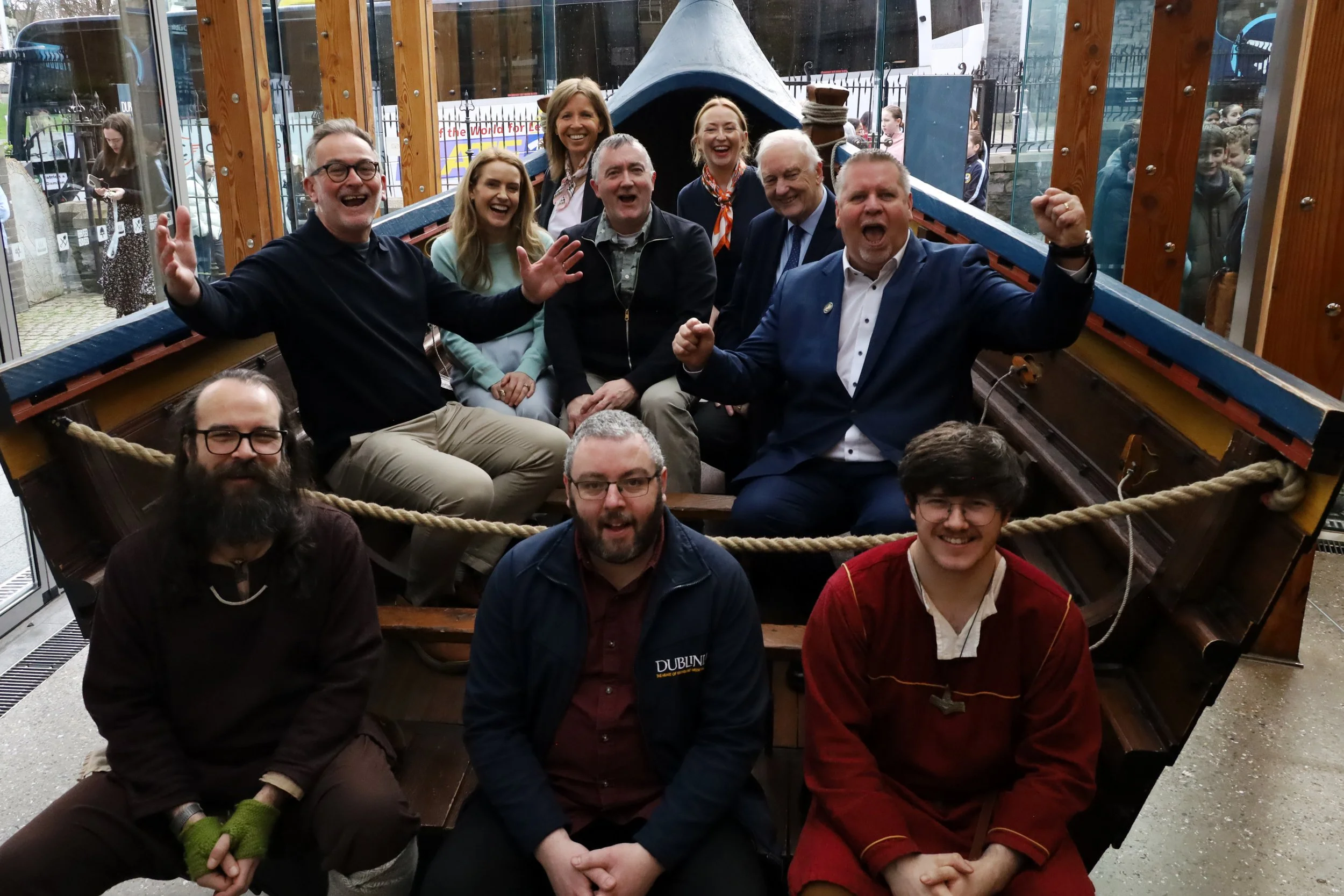
Speakers at the AVEA Tour Guiding Symposium
Experiences begin with emotion
When people visit cultural attractions, historic sites or guided experiences, they rarely remember every fact they are told. What they remember instead is how the experience made them feel.
Research consistently shows that when visitors feel relaxed, curious and emotionally engaged, they are more receptive to learning and more open to exploring further. Positive emotional states help visitors connect with stories, remember details, and ultimately spend more time, and often more money, within a destination.
For organisations designing visitor experiences, this is a powerful reminder. Interpretation is important, but the emotional environment in which it is delivered matters just as much.
Spaces and places with personality
One of the themes Stephen explored with AVEA members was the importance of places having personality. Great visitor destinations don’t feel generic. They feel distinctive and rooted in their story. The physical environment, the tone of storytelling, the atmosphere created through design and sound, and the people delivering the experience all work together to create that sense of identity.
At SS+A we call this holistic approach to experience as Ambience - the feeling visitors get when every element of the experience aligns with the story a place is trying to tell.
When Ambience is thoughtfully designed, visitors don’t simply move through a space. They begin to connect with it, often without even realising why.
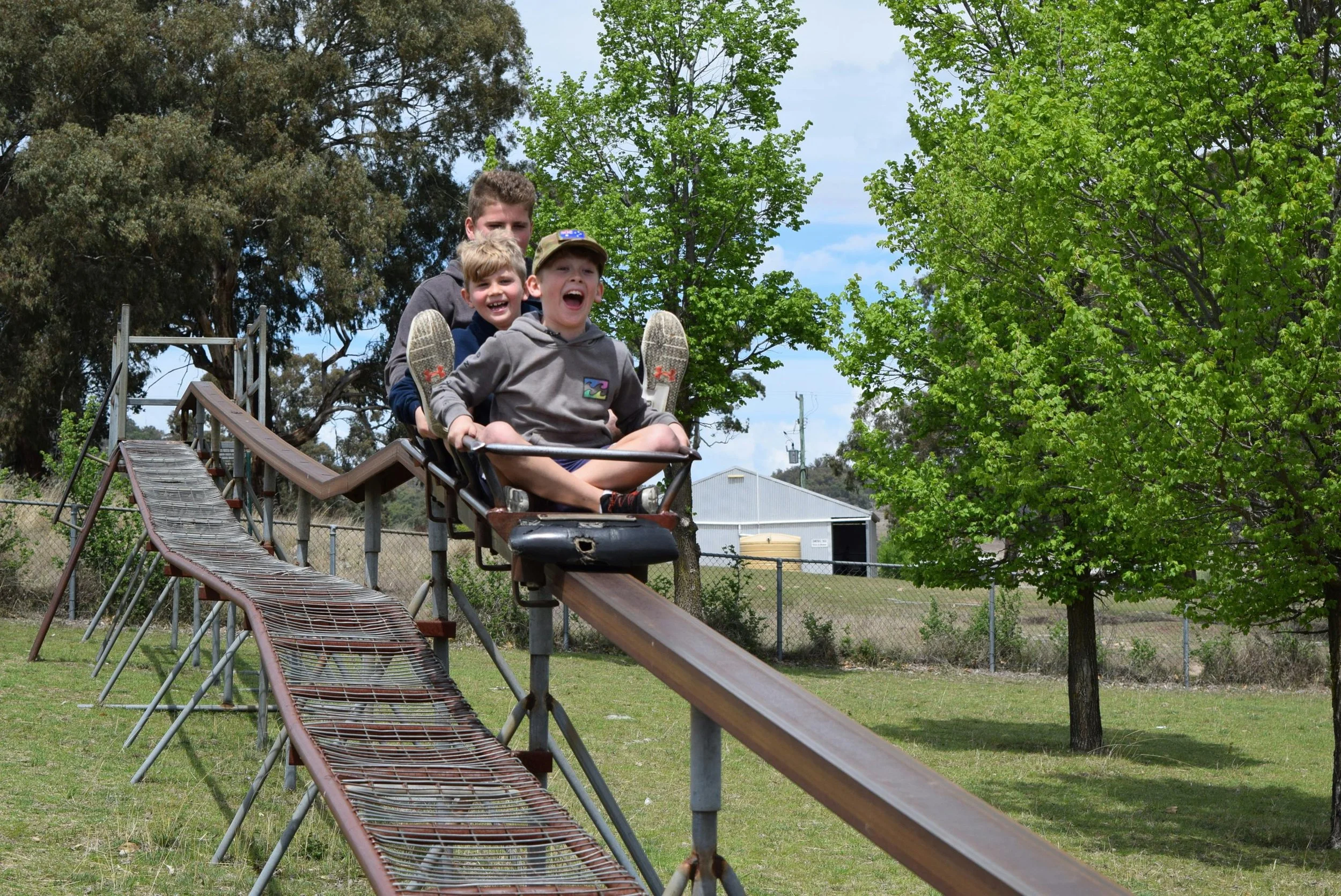
Ambience - the feeling visitors get when every element of the experience aligns with the story a place is trying to tell.
Storytelling that centres the visitor
Another key idea explored during the symposium was the importance of storytelling that focuses not only on the place, but also on the people experiencing it.
History, artefacts and architecture provide the foundation of cultural storytelling. But the most compelling experiences are those that bring these elements to life through human connection.
Great guides instinctively understand this. They transform information into experiences by inviting curiosity, encouraging questions and creating moments of surprise or discovery. Instead of simply presenting facts, they help visitors imagine the lives, events and emotions behind them.
In doing so, they turn a visit into something far more memorable.
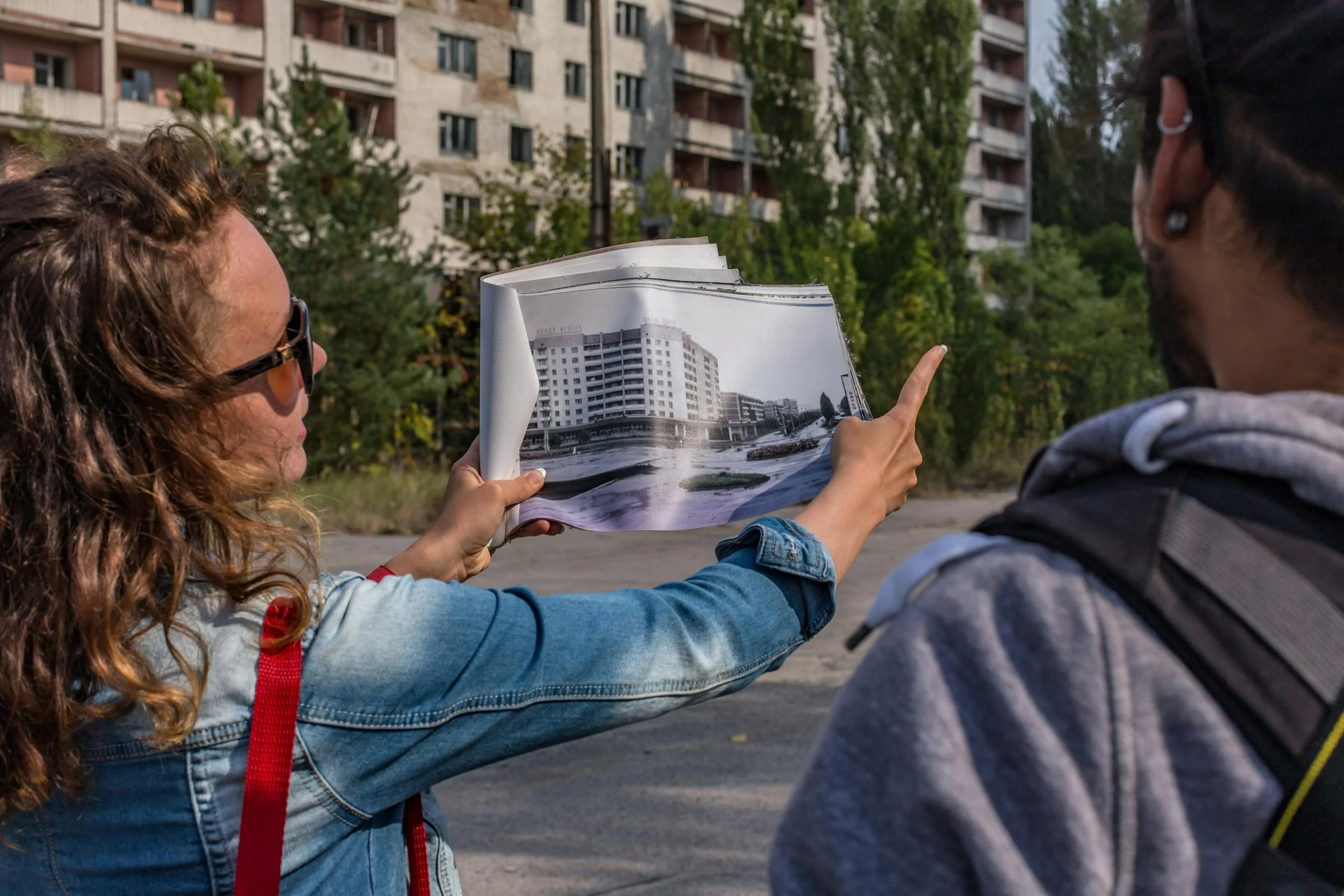
Great guides transform information into experiences.
Communication as part of the experience
The symposium also highlighted how communication shapes every part of the visitor journey.
The way a story is introduced, the tone of interpretation, and the way guides interact with their audience all influence how visitors absorb and respond to what they see and hear.
Small adjustments in storytelling technique or delivery style can have a profound impact on engagement. When communication becomes clear, human and emotionally engaging, visitors are far more likely to feel connected to the place they are visiting.
Designing experiences that last
Across the cultural and visitor attraction sector there is a growing recognition that experience design is not just about education or interpretation: it is about creating moments of connection that stay with visitors long after they leave.
When story, space and emotion work together, organisations can deepen engagement, strengthen their narrative and create environments where visitors feel inspired to explore further.
Reflecting on the event, and on Stephen’s contribution, Catherine Flanagan, CEO of AVEA, said:
"It was such a privilege to have you come and speak to the group. It was a great balance of expertise and humour, with a real command of the room and plenty of discussion points for delegates to follow up on. It really hit the spot. I hope AVEA members have the benefit of enjoying your presentations again in the future."
For Stephen and the SS+A team, the symposium was a reminder of just how important guides and storytellers are to the cultural visitor experience. When storytelling is done well and delivered in places designed with personality and purpose, it can transform a place into somewhere visitors truly remember. Find out more about our approach in our Ambience Playbook, and how you can work with us.