
What the recent UK heatwaves have taught me about visitor attractions
by Chiara Wilson
Climate change is no longer a future challenge for visitor attractions. It's already changing how people experience museums, heritage sites and cultural venues.
During London Climate Action Week, I found myself discussing climate resilience by day while experiencing one of the UK's most intense heatwaves by night. That contrast couldn't have been more powerful. It became clear that extreme weather is no longer simply an operational issue, it's becoming a visitor experience issue too.
I managed to get a last-minute ticket to see Harry Styles at Wembley. It was one of the hottest days of the year, with temperatures reaching 35°C, and despite the excitement, the experience quickly became uncomfortable. Fans were fainting in the crowd, queues for water refill stations stretched across the venue, and many people chose to go without water rather than miss the show. Even Harry himself appeared to be struggling in the heat.
It struck me that climate change isn't just affecting the weather, it's changing the visitor experience. Even at one of the world's most experienced live event venues, the challenge wasn't entertainment. It was keeping people safe, comfortable and able to enjoy the experience they'd come for.
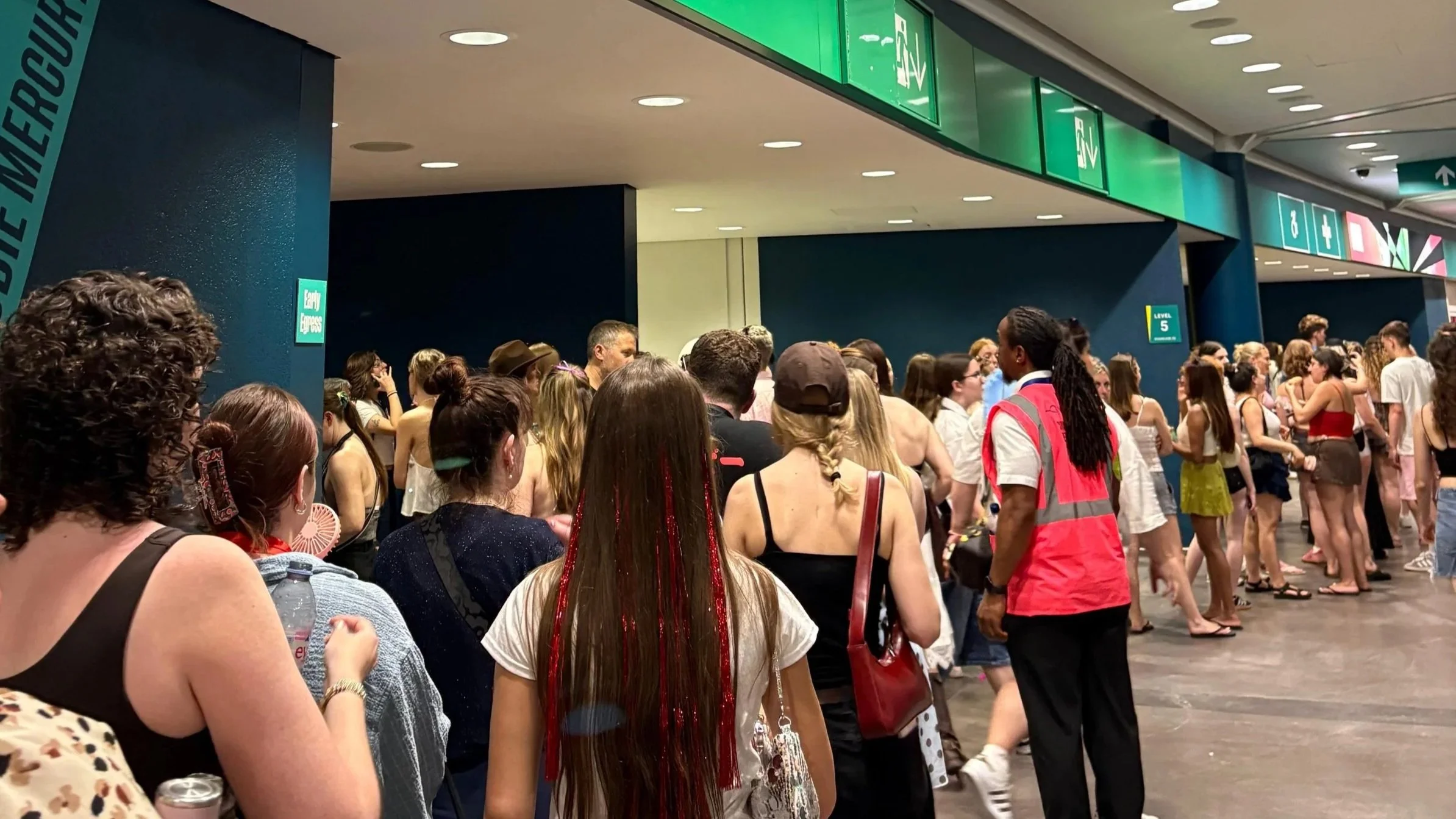
The queue for water at Wembley
Climate change is already affecting visitor attractions
What were once carefully designed visitor experiences are being interrupted by the fundamentals: keeping people safe and comfortable. The recent heatwave wasn’t an isolated incident, we’ve seen them become more frequent each year.
Museums, galleries, heritage attractions and visitor destinations across the UK and Europe have already begun adapting their operations during periods of extreme heat. According to the Museums Association, more museums closed fully or partially during this heatwave than in any previous event monitored by sector specialists. Even in traditionally hotter countries such as France, iconic attractions such as the Louvre and the Eiffel Tower were forced to reduce opening hours as visitor behaviour changed and attendance fell significantly as many visitors cancelled trips due to the heat.
So, how prepared is the cultural sector for our future?
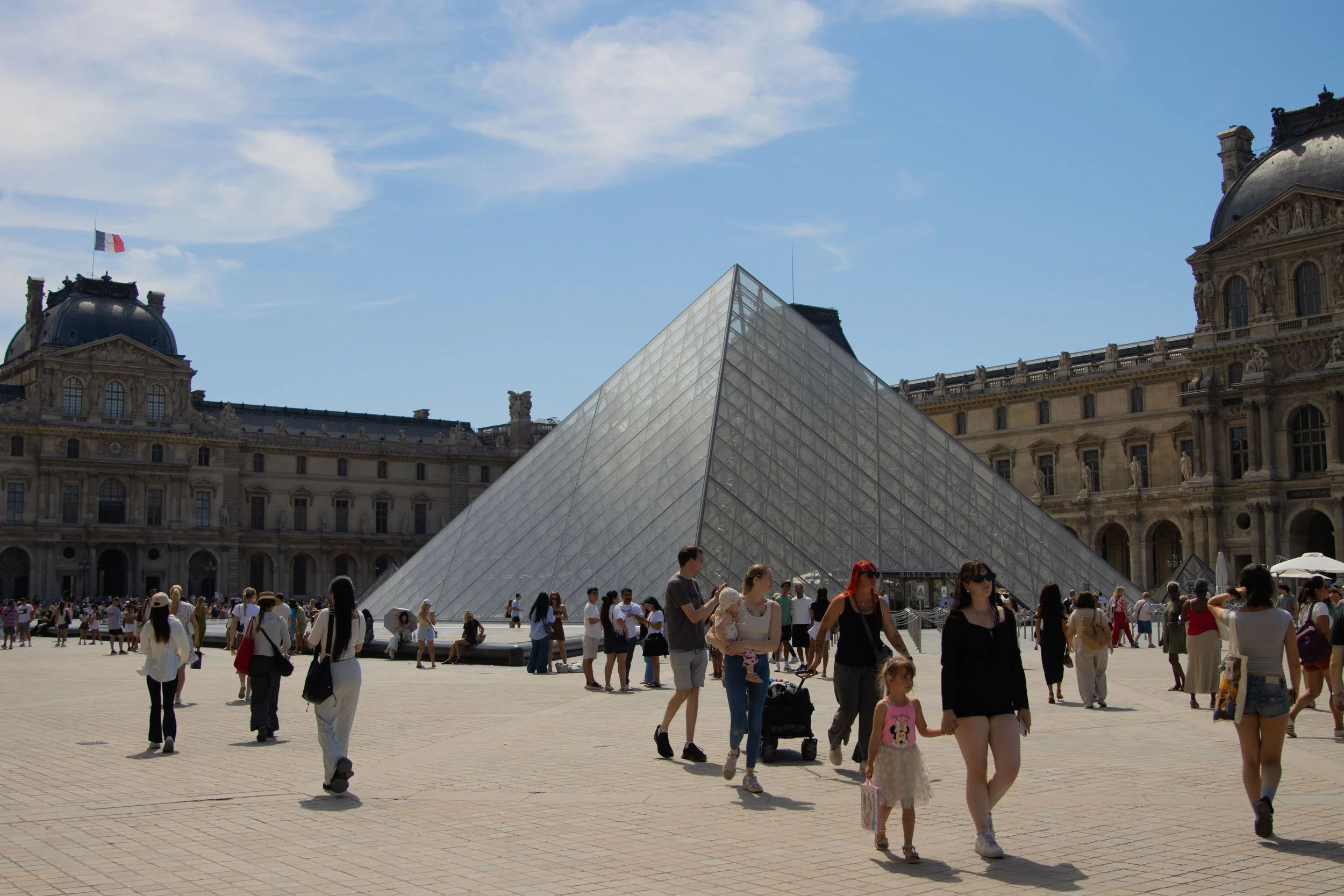
Heatwave at the Louvre, Paris
Climate resilience is becoming part of visitor experience design
Climate adaption at attractions now looks like shaded outdoor seating, refill water stations, cooling spaces and places, flexible opening hours, weather-responsive interpretation, staff wellbeing plans and better visitor communications.
At SS+A, we see climate resilience as part of achieving viability for visitor attractions. That means supporting the cultural sector to think differently about procurement, visitor experience, retail, storytelling and operations, ensuring sustainability becomes embedded in everyday decision-making rather than treated as a separate initiative.
Climate changes is becoming a visitor experience challenge, an operational challenge and ultimately a commercial challenge. Organisations that begin adapting today will be better placed to protect both their visitors and their long-term viability.
That's why sustainability shouldn't sit alongside visitor experience, it should become part of how we design it.
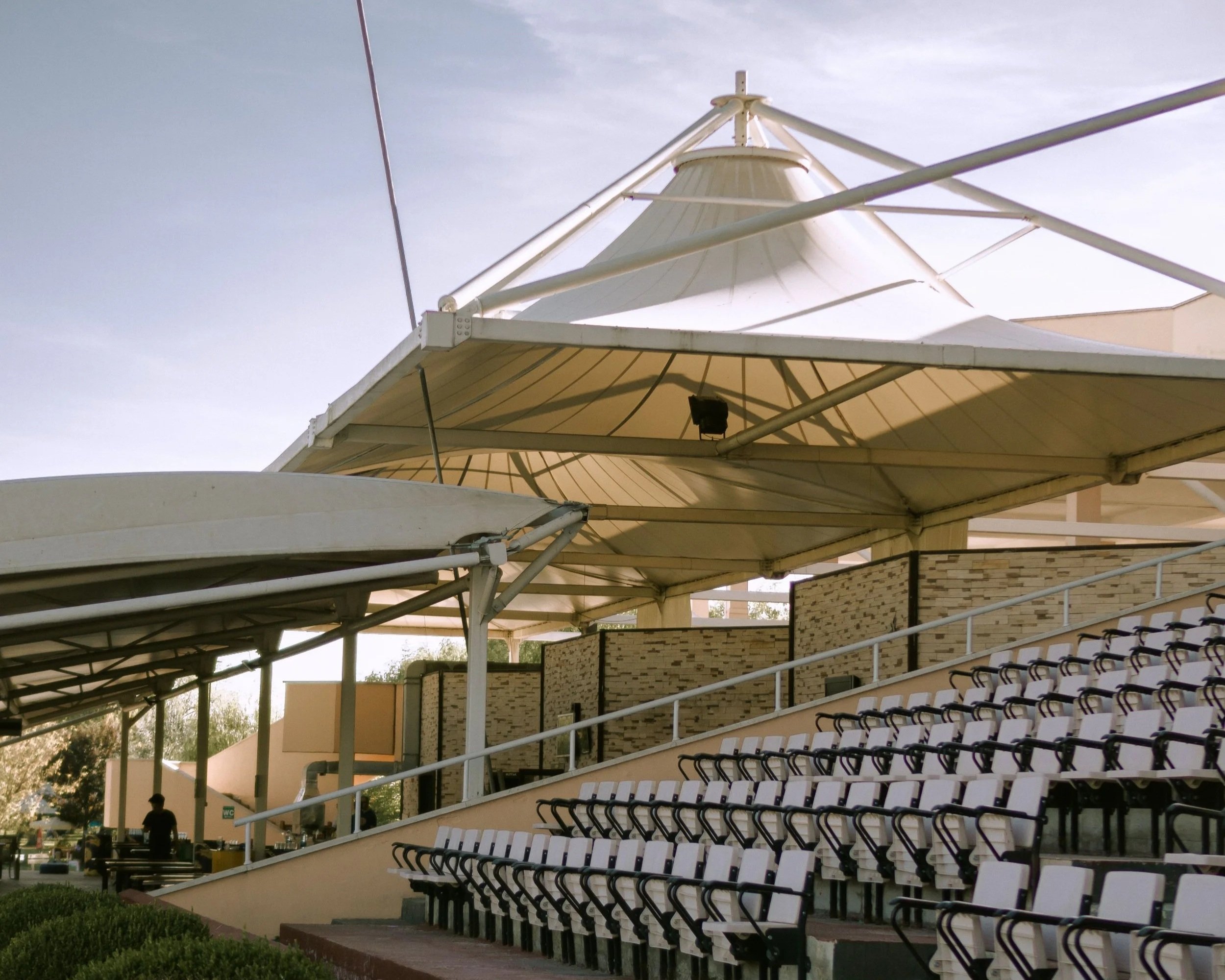
Covered seating will become the norm for rain or shine