
Retailing in the heat
by Catrina Hicks
The recent heatwave got me thinking about something we don't often discuss in visitor attraction retail. We spend a lot of time planning for Christmas, Easter, school holidays and peak visitor periods, but as our summers become warmer and more unpredictable, are we giving enough thought to how heat affects the retail experience?
For many attractions, a spell of hot weather is welcome. Visitor numbers increase, outdoor spaces come into their own, and people are generally in good spirits. However, higher temperatures can create challenges for both retail operations and the visitor experience if we're not prepared.
There are two areas worth paying particular attention to: people and products.
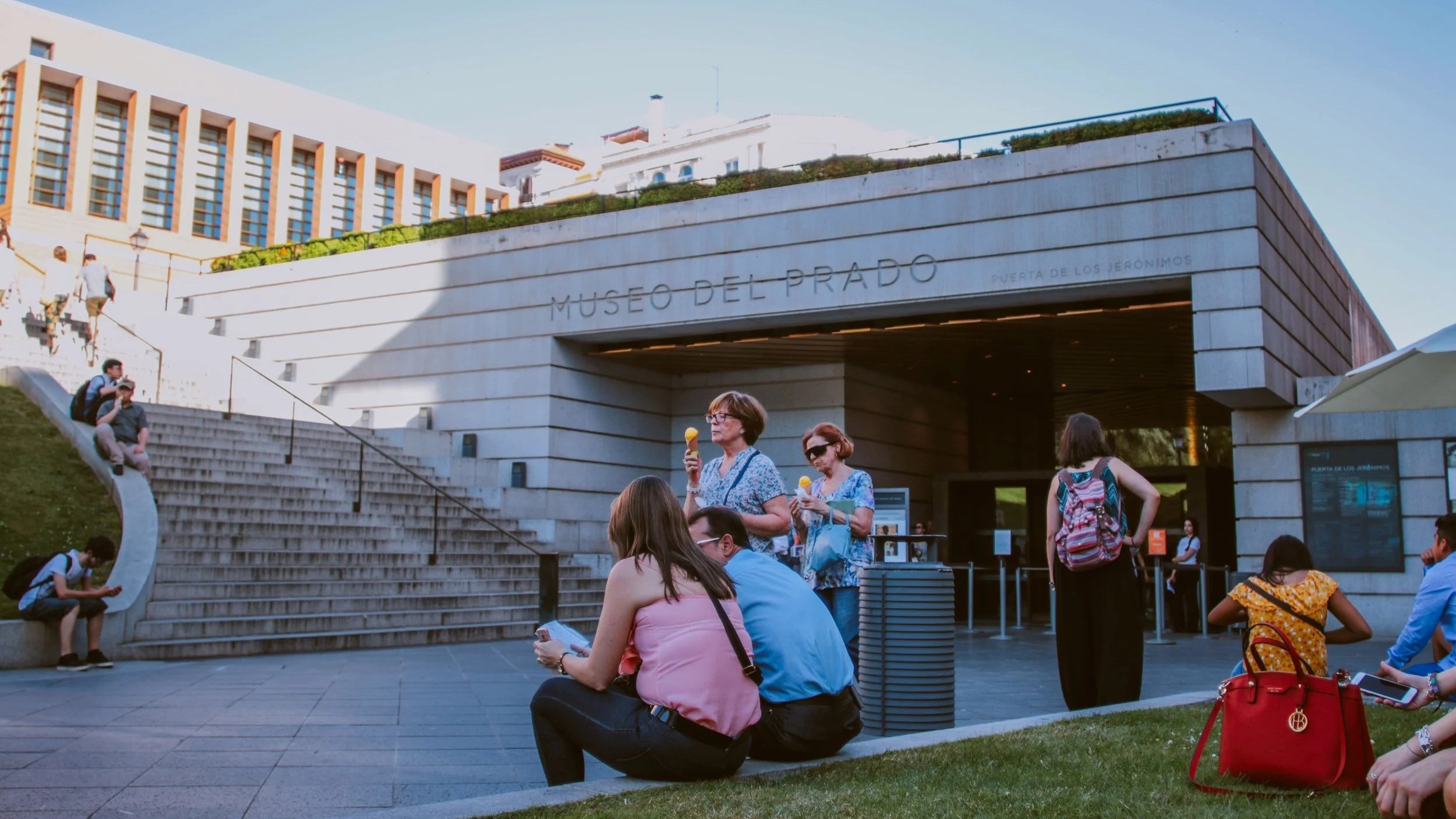
Looking after people
When temperatures rise, comfort becomes a commercial consideration.
If visitors feel too hot, they're less likely to browse, spend time in the shop or make considered purchasing decisions. Equally, if your team is uncomfortable, customer service can suffer through no fault of their own.
Fortunately, there are often simple measures that can make a significant difference.
Good airflow is one of the most effective. Fans, open windows and doors (where security and operations allow) can help create a more comfortable environment. Temporary shading, blinds or sails over particularly sunny windows can also reduce heat build-up dramatically.
Access to chilled drinking water is another simple but valuable gesture. Visitors appreciate it and staff benefit from it.
For teams, it's worth considering whether uniforms are appropriate for warmer conditions. Natural fibres tend to be more comfortable than synthetic materials, and during particularly hot periods, more frequent staff rotation may be needed. Sunscreen should also be readily available for colleagues spending time outdoors.
These may seem like small operational details, but collectively they can have a meaningful impact on wellbeing, customer experience and ultimately spend.

Protecting your products
Heat affects merchandise too.
Food products are often the most obvious challenge. Chocolate, confectionery and certain drinks can quickly deteriorate when displayed in warmer conditions. A small display supported by frequent replenishment, or the addition of refrigeration where possible, can help protect both stock and presentation.
Less obvious are products such as candles, which may soften or melt, and paper-based products, books, prints and textiles, which can fade when exposed to prolonged sunlight.
Sometimes a simple move to a cooler or shadier location is enough. In other cases, it may be sensible to reduce the quantity displayed and replenish throughout the day.
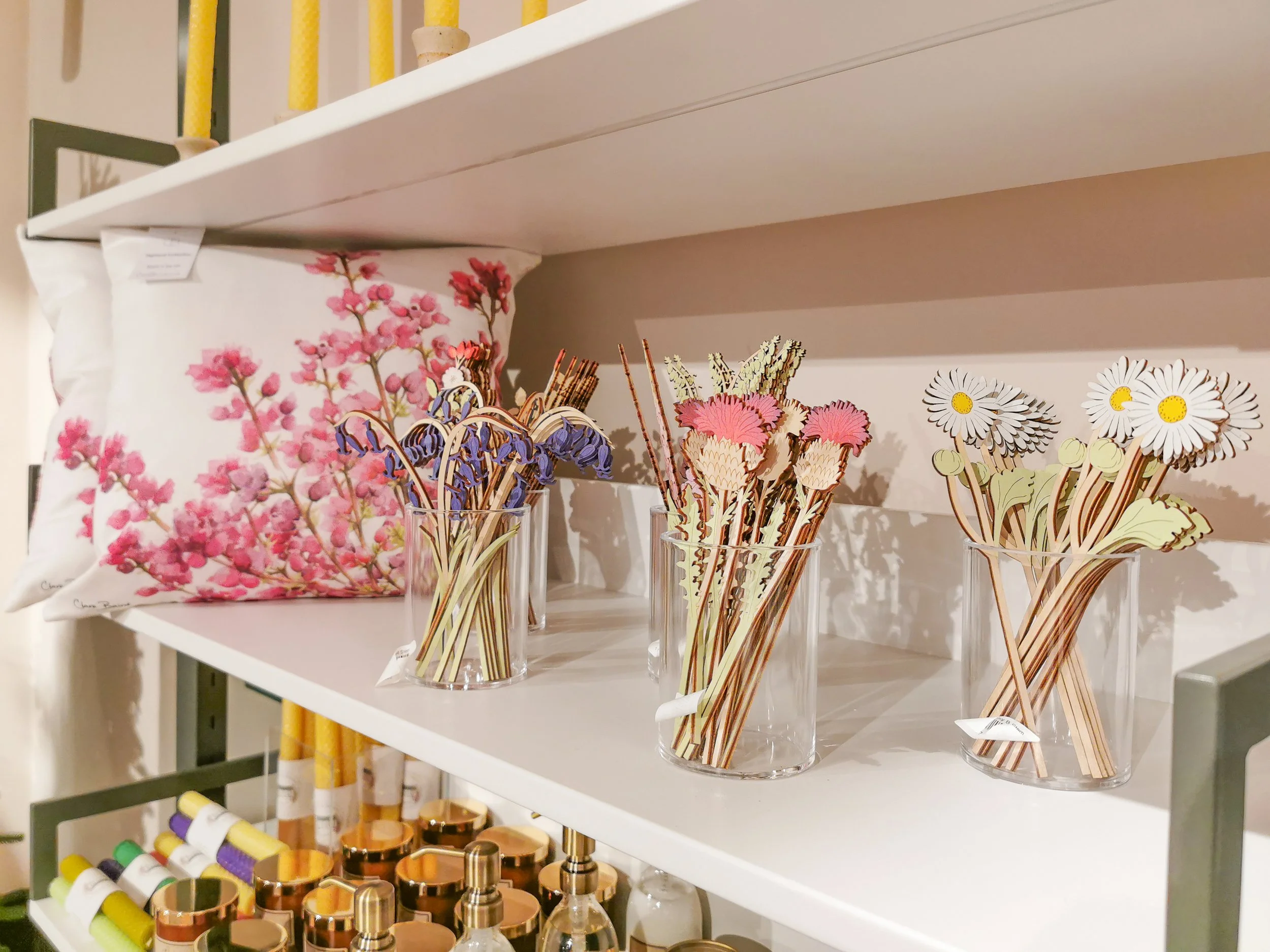
Thinking seasonally
The most resilient retailers adapt their product mix to the conditions around them.
During warmer weather, products made from ceramic, glass, stone and metal are often less vulnerable to heat-related damage and can provide attractive seasonal alternatives.
Summer can also be an opportunity to rethink displays, introduce seasonal ranges and create retail experiences that feel more relevant to the time of year.
A little planning goes a long way
None of this requires major investment.
In most cases, success comes down to anticipating challenges before they arise and making a few practical adjustments.
As temperatures continue to fluctuate, attractions that think ahead will be better placed to protect their products, support their teams and create enjoyable experiences for visitors.
And when visitors are comfortable, they tend to stay longer, browse more and leave with happier memories of their day.
Which is good for everyone.